In the sugar production and export industry, packaging large bags of 20kg, 30kg, and 40kg always faces two major problems: sugar easily gets wet and the packaging is easily torn during handling. Previously, many places used plastic bags because they were cheaper. But now, to prevent sugar from spoiling and to meet the standards of large customers, switching to paper bags for sugar is a necessary trend.
1. Why should you use paper bags for sugar instead of plastic bags?
Sugar is very absorbent. If the wrong type of packaging is chosen, the sugar will quickly deteriorate in quality:
• No worries about sugar getting wet or clumping: Plastic bags are too airtight, so when the weather changes, the humidity inside the bag increases, causing the sugar to become damp and clump together. Packaging made from natural Kraft paper has just the right amount of breathability, combined with waterproof layers inside to keep the sugar granules dry and loose.
• Stackable and secure: Plastic bags are often slippery, easily deformed when heavy weight is applied. Paper bags have a rough texture, and when filled with sugar, they form a square shape like bricks. This allows for very stable stacking on pallets, preventing them from tipping over in the warehouse or during forklift operation.
• Clean and safe for health: Kraft paper is made from natural wood pulp, so it is very clean, free from microplastics or chemical odors that can contaminate the sugar. This helps the sugar retain its pure, sweet taste.
• Meets export standards: Major partners and international markets now prioritize purchasing products with paper packaging because it is easily recyclable and environmentally friendly.
2. Types of Paper Bags for Sugar at JPT
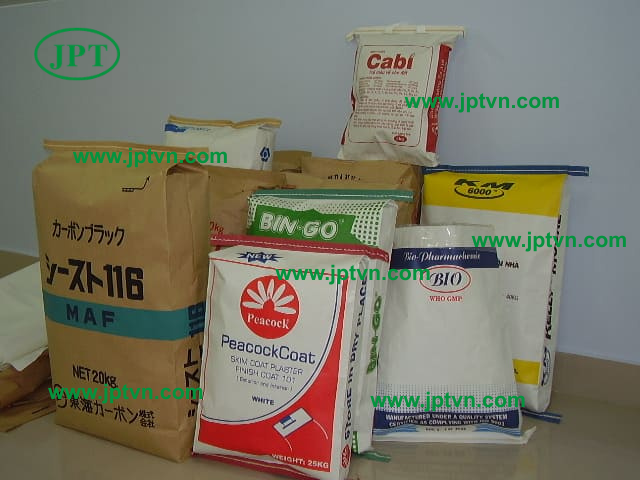
Depending on the packaging needs of each factory, JPT provides the following specialized paper bags for sugar:
Sewn-bottom bags (Sewn with strong stitching): This type of bag is very durable and strong, specifically used for storing raw granulated sugar or large quantities of sugar for export: The bottom of the bag is folded and sewn with thick thread and a thick paper band.
Glued-bottom bags (Glued at both ends): Both ends of the bag are completely sealed with glue. When filled with sugar, the bag will have a square box shape, making it extremely space-saving when loaded into trucks or containers.
Folded-bottom bags (Folded bottom with glue): This type is very convenient for factories using automatic packaging machines or for packaging palm sugar or raw cane sugar. The bottom of the bag is neatly folded and tightly sealed with glue. If requested by the customer, JPT can add an additional layer of PE plastic or insert a separate PE plastic bag inside to increase moisture protection.
3. JPTVN – A Reliable Manufacturer of Paper Packaging for Sugar
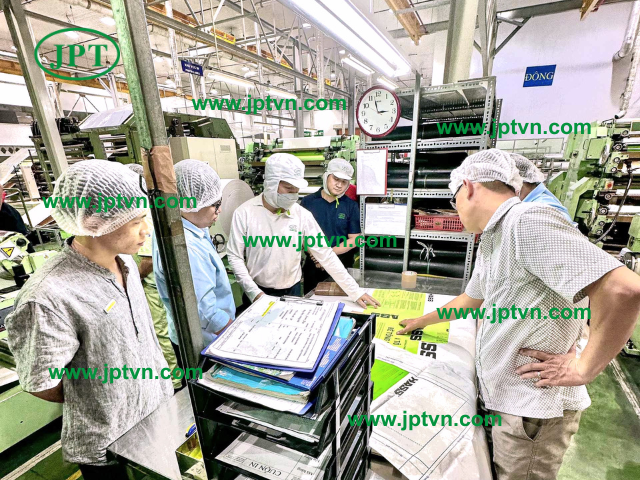
By partnering with JPT Japanese Packaging, you can rest assured about product quality. JPT has over 20 years of experience in manufacturing kraft paper packaging, using 100% virgin kraft paper imported from the Oji Group (Japan). The packaging meets all food safety certifications such as SGS, BRCGS, HALAL, etc. With modern Flexo printing technology, logos, brand names, and product information on the packaging are always clear, without smudging or peeling.
Inheriting the rigorous production and inspection processes from Japan, JPT is the top choice in the production of paper packaging for sugar, ensuring food safety and meeting export standards.
Choosing JPT paper packaging is the simplest way to protect the quality of your sugar and make your brand more professional. Contact JPTVN for detailed advice!